Biology Printouts
Published on: May 14, 2015
Biology Printouts for Montessori Learning: Bringing Nature to Life
If there's one thing Montessori education does beautifully, it's nurturing a child's natural curiosity about the living world. From the tiniest seed sprouting in a garden to the intricate anatomy of a butterfly, biology is one of those subjects where children don't just learn — they marvel. And the best part? You can support this wonder right at home with thoughtfully designed biology printouts.
Why Biology Printouts Matter in Montessori Education
In the Montessori approach, children learn best through hands-on, concrete experiences before moving to abstract concepts. Biology printouts serve as that essential bridge. They give your child something tangible to touch, label, color, and organize — transforming complex scientific ideas into accessible, child-sized work. Maria Montessori believed that children have a deep, innate connection to nature, and these materials honor that connection by inviting them to explore it systematically and joyfully.
What Topics Do Biology Printouts Cover?
Parts of Animals and Plants
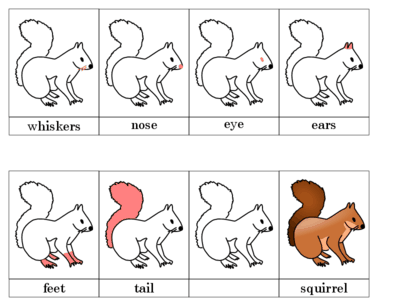
These printouts introduce children to the anatomy of living things using clear, labeled diagrams. Your child might study the parts of a flower, the parts of a fish, or the external anatomy of an insect. Typically, they include a control chart (with labels), a mute chart (without labels), and individual labels for matching — a classic Montessori three-part activity. Pair these with a Montessori biology puzzle for an even richer, multi-sensory experience.
Life Cycles
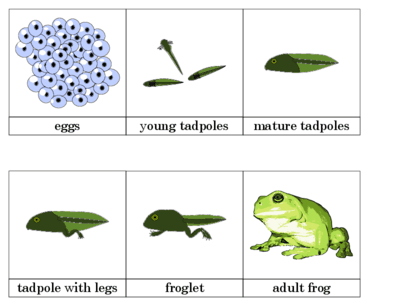
Life cycle printouts walk children through the stages of growth for butterflies, frogs, plants, chickens, and more. Children love sequencing these stages and narrating the story of transformation. To make this work truly come alive, consider adding life cycle figurines to your shelf — children can match the three-dimensional figures to the printed stages, reinforcing their understanding through touch and play.
Classification of Living Things
Montessori biology introduces even young children to the idea that living things can be sorted into groups: vertebrates and invertebrates, mammals and reptiles, flowering and non-flowering plants. Classification printouts with sorting cards and charts help children begin to see the beautiful order within the natural world.
Botany and Zoology Charts
Large, detailed charts covering topics like leaf shapes, root systems, animal kingdoms, and habitat types make stunning additions to your learning space. Children can reference these during independent work or use them as a springboard for research and drawing projects.
Practical Tips for Using Biology Printouts at Home
- Laminate for longevity. A simple laminator will turn your printouts into durable materials that withstand years of little hands.
- Start with what sparks interest. If your child is fascinated by frogs, begin there. Follow the child — this is the Montessori way.
- Pair printouts with real-life experiences. Study the parts of a leaf, then go outside and collect actual leaves to examine with a magnifying glass.
- Introduce materials one at a time. Resist the urge to put everything out at once. Present one set of cards, give a brief lesson, and let your child explore independently.
- Use a dedicated tray or basket. Organize each activity in its own container so your child can choose it from the shelf and work with it autonomously.
- Encourage journaling. Older children can draw and label what they've learned in a nature journal, deepening their understanding and building writing skills simultaneously.
You Don't Need to Be a Scientist
Here's the encouragement you might need today: you don't have to be a biology expert to offer your child a meaningful Montessori science experience. These printouts do the heavy lifting. Your role is simply to prepare the environment, introduce the material with enthusiasm, and then step back and watch your child's natural curiosity take over. That quiet moment when your child looks up and says, "Did you know a frog starts as an egg?" — that's Montessori magic, and it's absolutely within your reach.
Related Articles
- Free Montessori Printouts & Downloads
- Sorting Printouts
- Geography Printouts
- Parts of a Bird
- Mushrooms
Free Biology Printouts





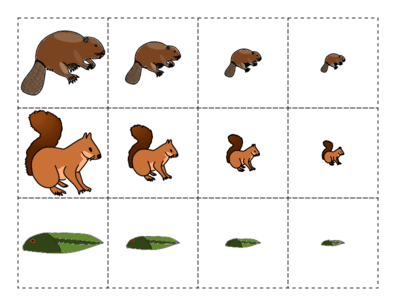
Beavers Largest to Smallest Cutouts