King Tides: The Highest Tides of the Year
Published on: October 31, 2026
King Tides: The Highest Tides of the Year
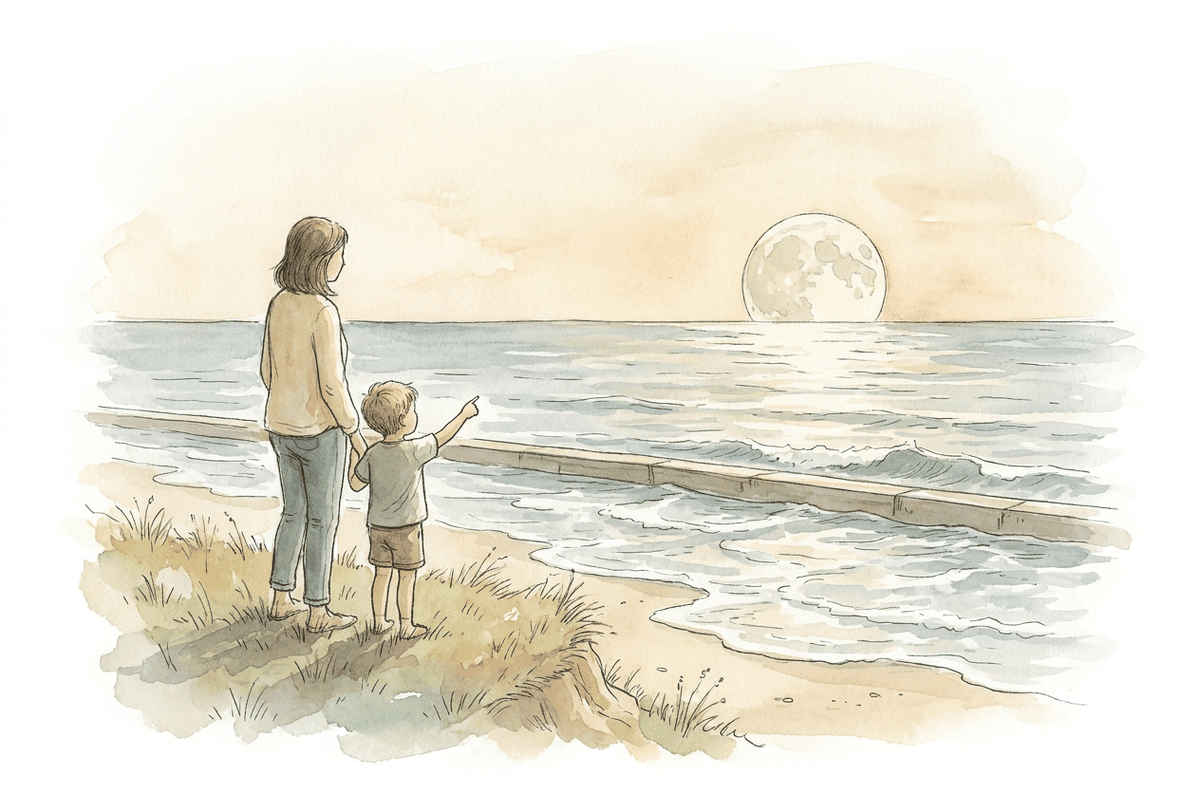
A few times each year, the ocean climbs higher up the shore than on any ordinary day. Water covers beaches that are usually dry, splashes over sea walls, and sometimes spills into low streets and parking lots. These extra-high tides are called king tides, and the next ones on the West Coast arrive in late November. They are a wonderful, real-life way to show a child that the moon, far away in the sky, is pulling on the water right here on Earth.
This short lesson pairs with a free King Tides printout, and with our Sea Glass and Tides lesson for the basics of high and low tide.
What Makes a King Tide?
The moon's gravity pulls on the oceans and makes them bulge, and the sun pulls too, though not as strongly. Two things have to happen together for a king tide:
- The sun, the moon and the Earth line up. This happens at every new moon and every full moon. The sun and moon pull together, so the high tides are higher than usual. These are called spring tides (nothing to do with the season!).
- The moon is at its closest to the Earth. The moon's path around us is not a perfect circle, so once a month it swings a little nearer. A closer moon pulls harder.
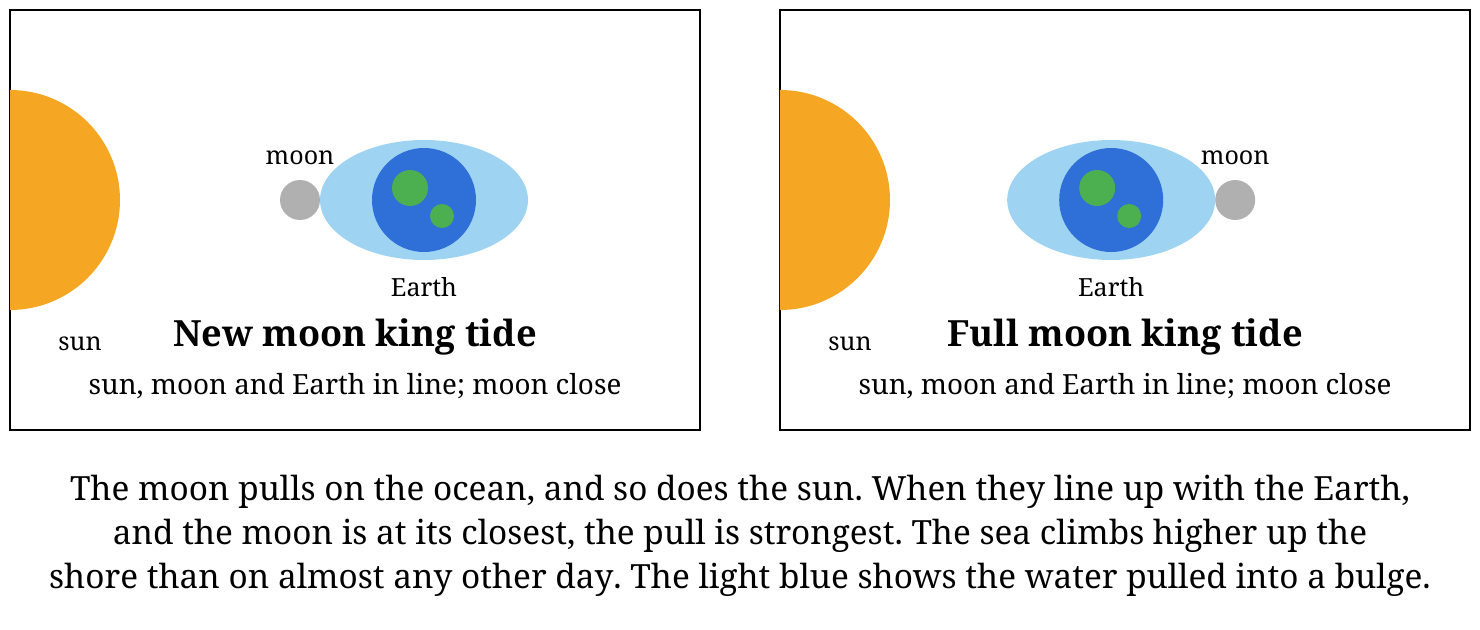
When both happen at once, you get the highest tides of the year. Scientists call this a perigean spring tide; "king tide" is the everyday name. According to NOAA, this lines up about six to eight times a year, and the high tides can be more than a foot higher than other spring tides.
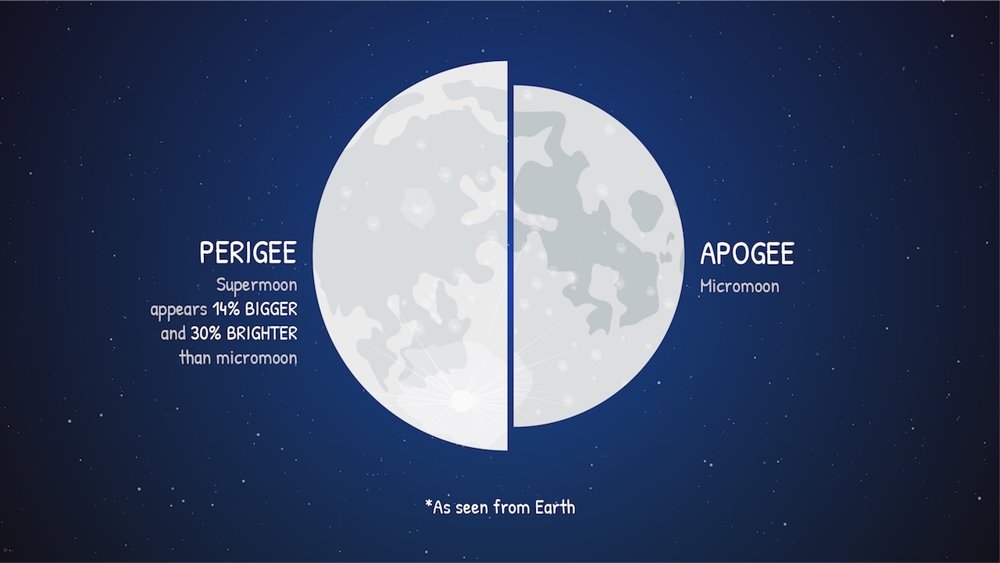
If you have ever heard of a "supermoon," that is the same close moon. A full moon at its closest looks a little bigger and brighter than a full moon at its farthest. The full moons on November 24 and December 23–24, 2026 are both supermoons.
The printout shows both kinds of king tide: the new moon king tide, with the moon between the sun and the Earth, and the full moon king tide, with the Earth in the middle. Ask your child: in which picture can we see the moon at night? (The full moon, because the sun lights up the side facing us.) Our Moon Cards and Moon Phases Cards are a lovely way to learn the whole cycle of the moon.
What Does a King Tide Look Like?
The best way to see a king tide is to compare the same place on an ordinary day and on a king tide day. These two pictures were taken at the same spot in Baywood, California, on the same November day in 2016:
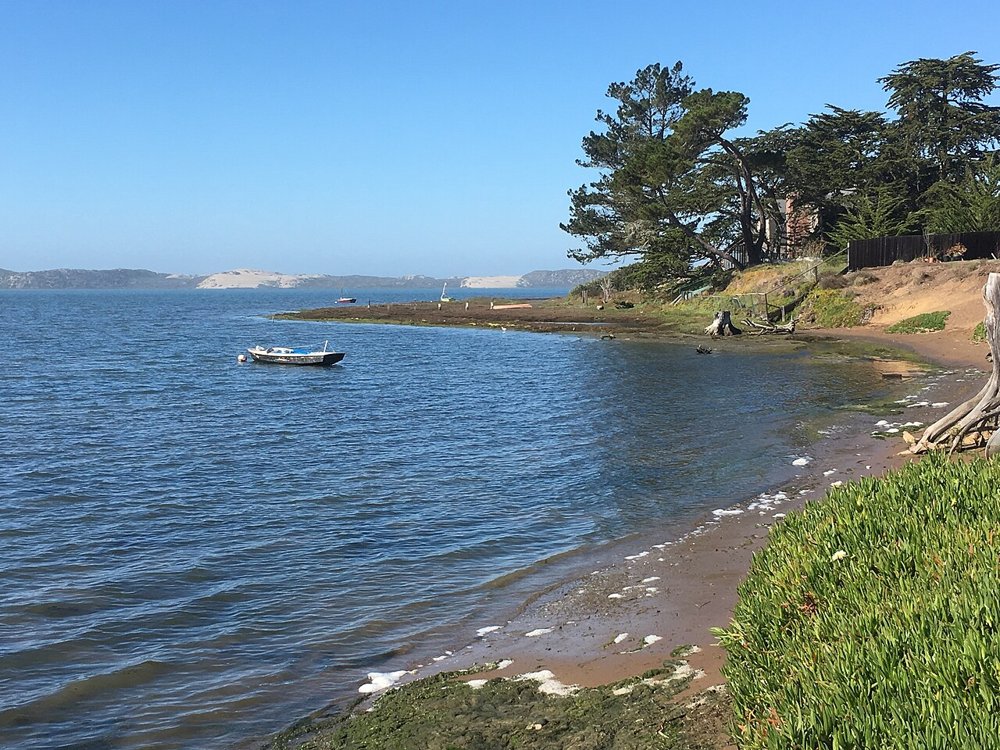
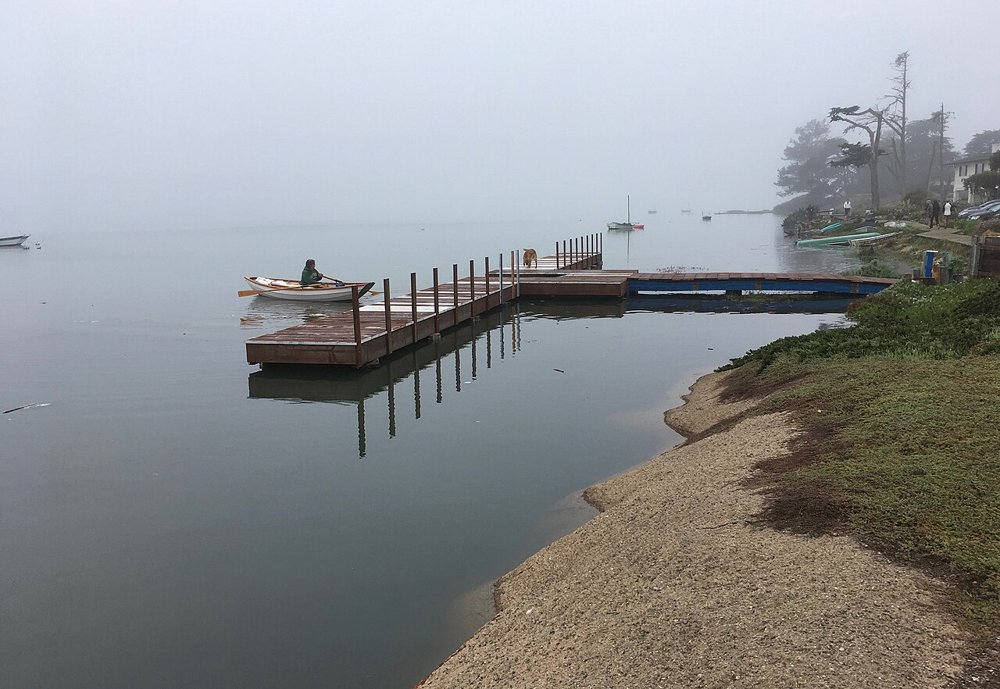
Photos: Joyce Cory, CC BY 2.0, via Wikimedia Commons.
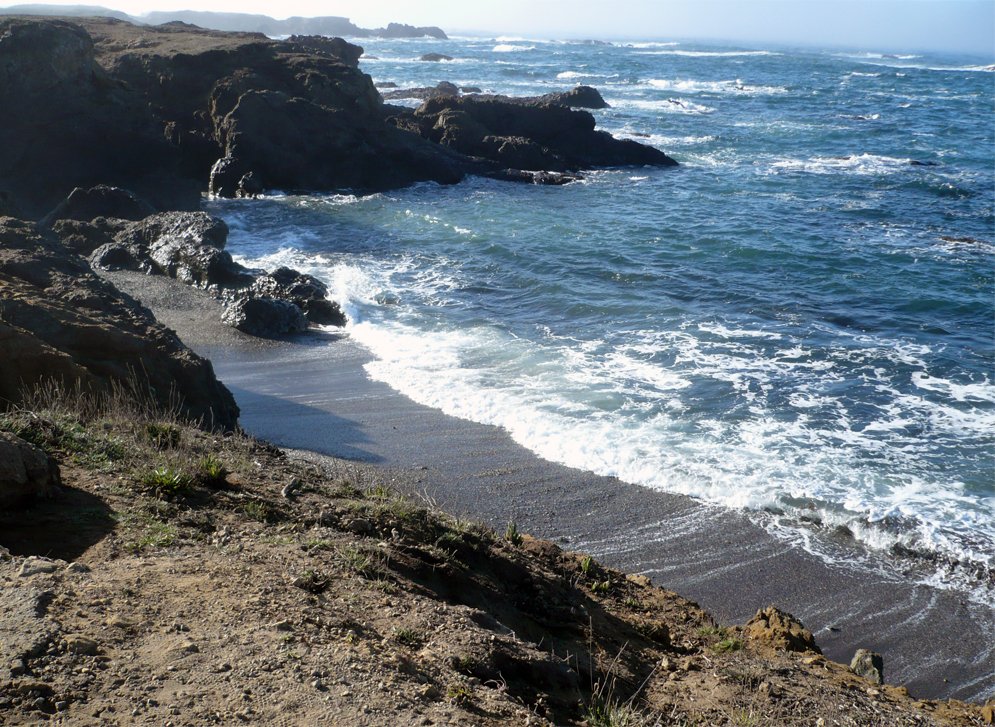
On rocky coasts, king tide waves reach far up the beach. This is Glass Beach in Fort Bragg, California, famous for its sea glass, during a king tide:
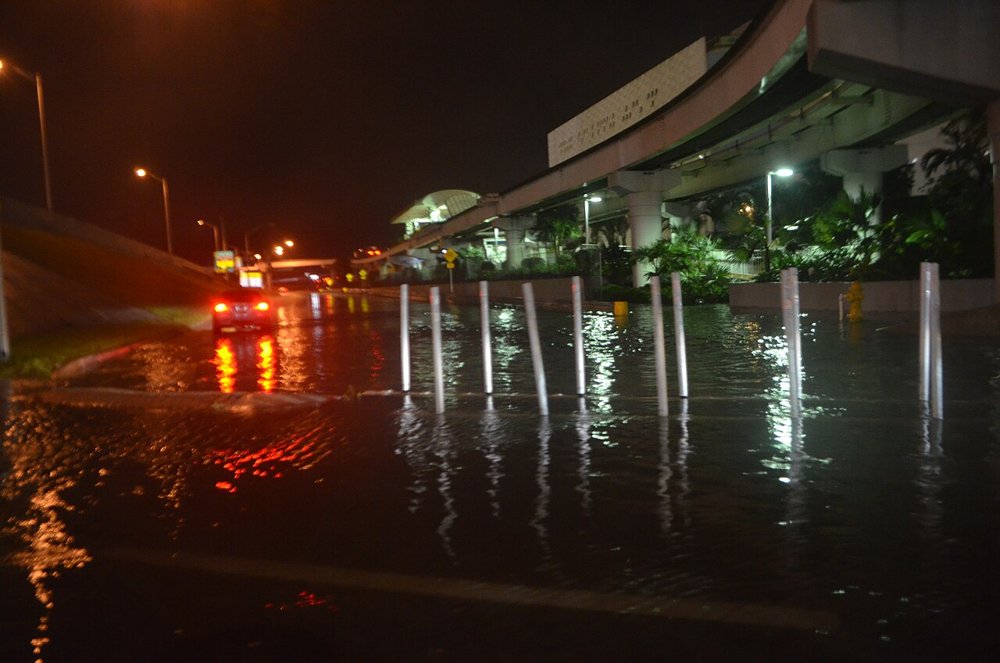
In some low cities, a king tide pushes sea water up through the drains and onto the streets, sometimes even on a sunny day. Scientists call this “sunny day flooding.”
When Are the Next King Tides?
On the California coast, the 2026–27 king tides are expected on:
- November 24–26, 2026
- December 23–25, 2026
- January 21–22, 2027
These dates come from the California King Tides Project. Other coasts have their own king tide days, often in the fall and winter. To find the exact time of high tide near you, look up your nearest station on NOAA's Tides & Currents site.
Exploring King Tides at Home
- Watch the moon first. In the days before a king tide, look at the moon together each evening and draw its shape. On the night it is full, the king tide is close. Our Moon Phases printout shows each shape to look for.
- Visit the same spot twice. If you live near the coast, go to one spot at an ordinary high tide and again at the king tide. Draw or photograph it both times, from the same place, just like the Baywood pictures above. The "My King Tide Watch" half of the printout has two boxes for this. The California King Tides Project even asks families to share their photos, which helps scientists see where the water reaches.
- Make a tide in a bowl. Far from the ocean? Fill a wide, shallow bowl with water and set a small ball near one edge for the moon. Gently tilt the bowl toward the “moon” to show the water being pulled toward it. Then talk about how the real moon and sun pull on the whole ocean. Our Sea Glass and Tides lesson walks through this demonstration step by step.
- Talk about the future. For older children, king tides are a peek at what everyday high tides may look like as sea levels rise. Keep it simple and hopeful: people are watching and measuring so that towns can get ready.
Safety first: watch from a safe, dry spot with a grown-up, stay well back from waves and slippery rocks, and never walk or drive through flood water.
Free King Tides Printout
Download this free printout for home or classroom use:
- King Tides — two pictures of why king tides happen, plus "My King Tide Watch," a page for your child to record the date, the moon, and a drawing of the water.
More About the Moon, Tides and the Ocean
If your child is curious about the moon and the sea, these lessons and printouts go further:
- Sea Glass and Tides — high and low tide, and the treasures the tide leaves behind.
- Tides Cards — picture cards for high, low, ebb, flood, spring and neap tides.
- Waves and Oceans of the World printouts.
- Moon Cards and the Moon Phases printout.
- Space and Geography: Astronomy and the Moon — a full lesson on the moon and our place in space.
- Blood Moon: A Montessori Guide to a Lunar Eclipse — another time the sun, Earth and moon line up.
- Our Solar System and Astronomy Printouts.
- Seashells and Hermit Crab Cards for a beach walk after the tide goes out.