Fantasy vs Reality learning
Published on: June 30, 2007
One of the most frequently misunderstood aspects of Montessori education is its approach to fantasy and imagination. Many parents wonder: does Montessori discourage imaginative play? The short answer is no — but Montessori does offer a thoughtful, developmentally grounded perspective on when and how fantasy is introduced to young children.
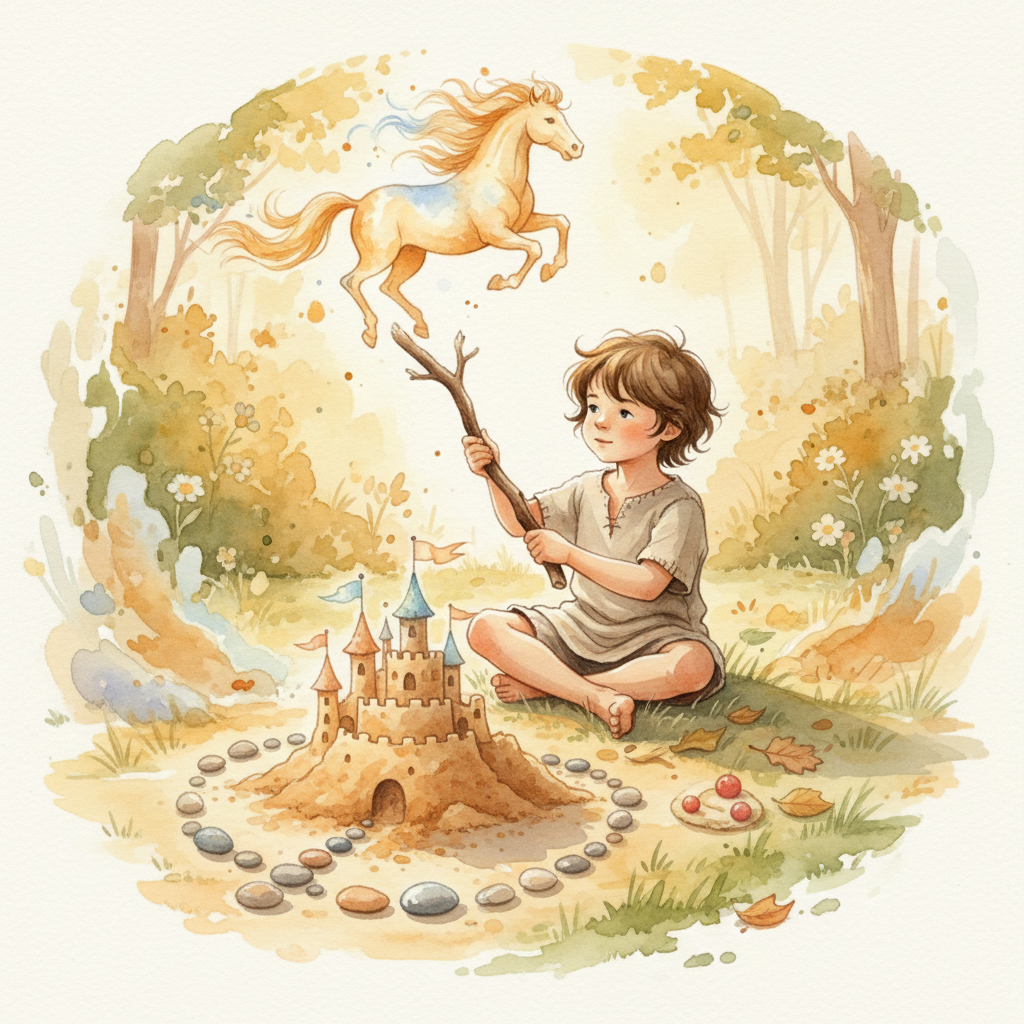
What Did Maria Montessori Actually Say About Fantasy?
Maria Montessori observed that children under the age of six are in a critical period of absorbing and making sense of the real world. During these early years, children are working hard to understand cause and effect, classify objects, learn language, and orient themselves within their environment. Introducing heavy fantasy elements before a child has a firm grasp on reality can create confusion rather than spark creativity.
This does not mean Montessori classrooms are devoid of joy or wonder. The real world, presented beautifully, is endlessly fascinating to a young child. A caterpillar transforming into a butterfly, the way water freezes into ice, or the story of how a seed becomes a towering tree — these real phenomena are more magical to a toddler than any fairy tale.
Montessori's insight aligns with what we know about sensitive periods in learning. During the sensitive period for language and sensorial exploration (roughly birth to age six), children are primed to absorb concrete, real-world information.
Age-Appropriate Storytelling: A Practical Guide
Ages 0–3: Ground Everything in Reality
For infants and toddlers, choose books and stories that reflect the world as it truly is. Board books featuring real photographs of animals, families, everyday routines, and nature are ideal.
- Books with realistic illustrations of animals (not dressed in clothes or talking)
- Stories about daily routines like cooking, gardening, or going to the market
- Simple nature books that introduce seasons, weather, and plants
A wonderful starting point is a curated set of realistic Montessori-friendly books. These resources give your child rich vocabulary connected to the tangible world, which also supports early language arts development.
Ages 3–6: Expand with Real-World Wonder
Preschool-aged children are ready for more complex stories, but reality should still be the primary focus. Biographies of real people, stories about different cultures, and books exploring science concepts are excellent choices.
- Picture books about real historical figures
- Stories about children in other countries and cultures
- Nature narratives that follow the life cycle of animals or plants
- Simple non-fiction books about space, oceans, or the human body
This is also the age when reading command cards become a powerful tool, connecting reading skills with real-world actions.
Ages 6 and Beyond: Welcome Fantasy with Open Arms
Once children have developed a solid understanding of reality — typically around age six — they are beautifully equipped to engage with fantasy. Children can now distinguish between what is real and what is imagined, and fantasy becomes a powerful vehicle for exploring abstract concepts like morality, justice, courage, and empathy.
A quality folk tales and fairy tale collection can become a treasured part of your child's growing library.
Imagination vs. Fantasy: An Important Distinction
Montessori makes a meaningful distinction between imagination and fantasy. Imagination is the ability to form mental images and think creatively — it is essential to human progress. A child who builds a tower of blocks is imagining a structure. A child who pretends to cook dinner in a play kitchen is rehearsing real life.
Fantasy involves elements that do not exist in reality — magic wands, flying carpets, and animals that speak. This is not harmful in itself, but Montessori suggests it is most beneficial when introduced after a child has built a strong foundation in reality.
Practical Tips for Parents
- Curate your bookshelf thoughtfully. For children under six, aim for at least 80% reality-based books.
- Follow your child's lead. If your four-year-old asks whether dragons are real, use it as a wonderful conversation about what is real and what is pretend.
- Celebrate real-world wonder. Take nature walks, visit museums, cook together, and garden together.
- Don't panic about exposure. If your child encounters fantasy at a friend's house, it will not derail their development.
- Trust the developmental timeline. When your child reaches the second plane and craves heroic tales, embrace it fully.
Honoring the Whole Child
The Montessori approach to fantasy and reality is not about restriction — it is about timing. By giving young children the gift of a deeply understood real world, we prepare them to become more creative, more imaginative, and more capable of abstract thought as they grow.