Book Corner
Published on: June 30, 2007
Book Corner
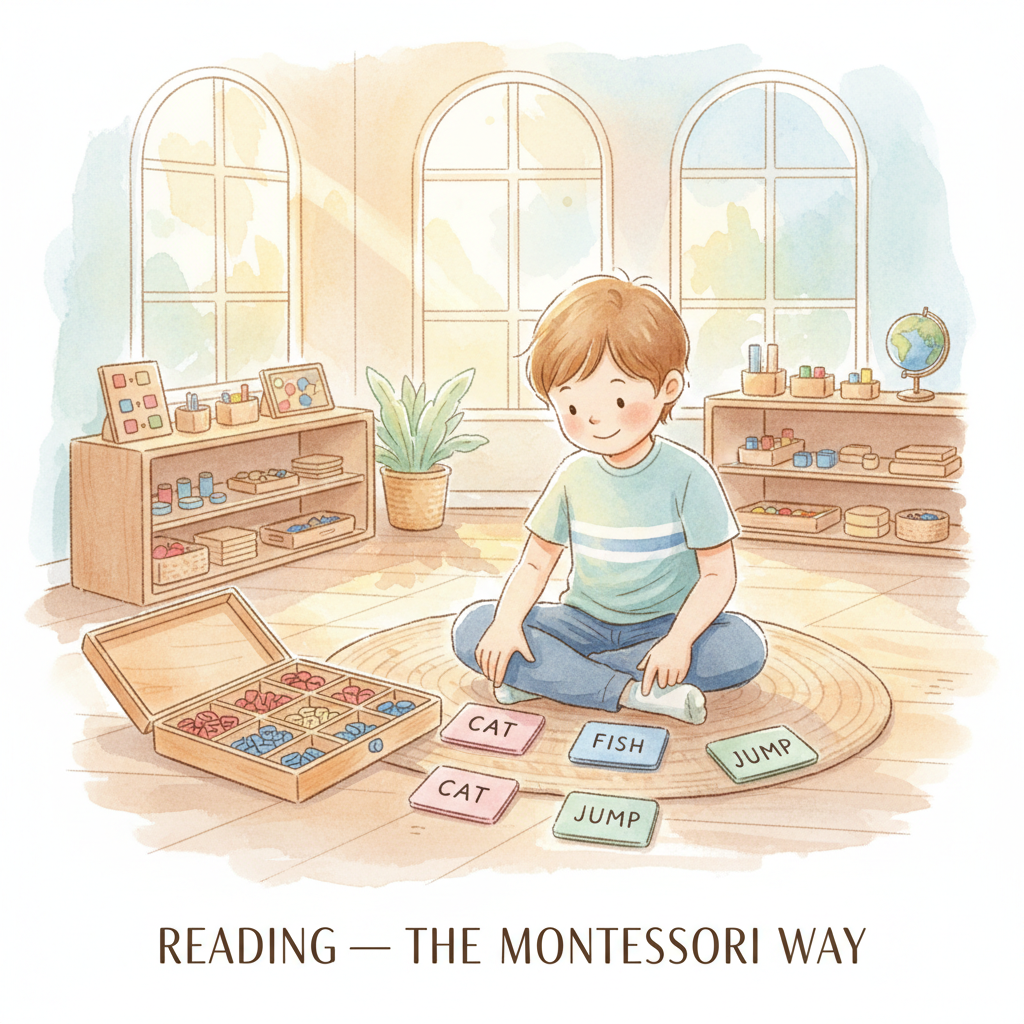
Welcome to our Book Corner! Whether you're looking for free Montessori books for yourself or wonderful reads for your little ones, you'll find plenty of inspiration here. Reading is one of the most beautiful gifts we can share with our children, and choosing the right books makes all the difference.
Free Montessori Books for Parents
These classic Montessori texts are available to read online at no cost — a wonderful starting point for any parent exploring the Montessori approach.
Understood Betsy
Understood Betsy, by Dorothy Canfield Fisher, is a delightful fictional story of a young girl who finally comes into her own to achieve happiness in a Montessori environment. This is a great story for parents to read before starting a Montessori program. Mrs. Fisher was an early supporter of Montessori education. She met Dr. Montessori in Italy in 1911. While observing Dr. Montessori's child developmental daycare, the Children's House, she was so impressed by what was happening that she became an avid supporter of the Montessori movement in America. She wrote several books on the Montessori method as well.
A Montessori Mother
A Montessori Mother by Dorothy Canfield Fisher is another free book online. This version is wonderful in that it is edited and much easier to read than the original work.
The Montessori Method
The Montessori Method by Maria Montessori is free and online. It was the first book I read during my Montessori training.
Spontaneous Activity in Education
Spontaneous Activity in Education by Maria Montessori is much easier to understand than some of her earlier works.
Fiction, Nonfiction, and the Montessori Approach to Books
It's true that many Montessorians don't use fiction or fantasy books for preschool children. I admit I read both fiction and nonfiction books to my children. At a certain stage — toddlerhood mainly — they loved nonfiction books. We just read expository books at this stage.
However, between the ages of 3½ to 4½, I introduced fiction books. We still read mostly nonfiction books, but the fiction books introduce other elements to your child's understanding that nonfiction books do not.
Talking About What Is Real and What Is Pretend
First of all, it's a great opportunity to talk about what is real and what is pretend. I tried to tell my children if something was real or not. As far as fantasy is concerned, I think that Montessori just wanted adults to be as truthful to children as much as possible. The truth builds a real and trusting relationship between you and your child.
Introducing Literary Elements
Secondly, fiction introduces elements of literature that you cannot find in nonfiction books. Metaphors, symbols, protagonist, personification, and other literary ideas are found in the figurative language of fiction. At age 4½, many children understand the concept of personification. In fact, they see the humor in it! Fiction can also bring an interesting way to talk about human values and ideas.
If you're working on building your child's reading foundation, be sure to explore our complete guide to Montessori reading for practical tips and activities.
The Joy of Story
Lastly, fiction has a plot, suspense, an ending, and is just downright fun to read. The language of fiction is exciting!
Poetry, Songs, and Nursery Rhymes
Poetry and finger plays build a baby's language skills. The meter and rhythm catches their attention — it's like singing without words. Singing to them is even better. For once, I had an audience that appreciated my singing! Studies have found that nursery rhymes play an important role in building a baby's language skills.
As your child grows, those early language experiences lay the groundwork for hands-on literacy activities like sandpaper letters and the moveable alphabet.
The Importance of Nonfiction
I don't know if Montessori knew this, but nonfiction books do help build comprehension skills for reading. In fact, some reading specialists trace children's reading comprehension problems to reading too many narrative, fiction-type books. Like everything in life, we need a little bit of everything good.
Recommended: A Bilingual Sound Book for Toddlers
If you're looking for a wonderful hands-on book for your youngest learner, we love this Interactive Sound Board Book for Toddlers 1–3 (Bilingual English Edition). Sound books engage multiple senses at once — perfect for the Montessori approach of learning through exploration and touch. It's a lovely way to introduce new vocabulary and encourage early language development.
Free Children's Books to Read Online
Here is a collection of free children's books available on the web. Many of these are classic titles with beautiful illustrations — wonderful for reading aloud together.
Nonfiction and Nature Books
- Ants Are Everywhere
- Birds in Your Backyard
- Caterpillars
- Bird Children by Elizabeth Gordon
- Four Footed Folk by Elizabeth Gordon
Classic Fiction and Stories
- Free Beatrix Potter Books Online — including Peter Rabbit, The Tale of the Flopsy Bunnies, The Tale of Mr. Toad, and more
- Little Karl by Uncle Milton
- The Three Bears (beautifully illustrated)
- The Velveteen Rabbit
- Alice in Wonderland (Nursery Edition)
- Through the Looking Glass and What Alice Found
Poetry and Nursery Rhymes
- Enchanted Tulips and Other Verses for Children by A., E., and M. Keary
- Ditties for Children by Nancy Sproat
- Mother Goose Nursery Rhymes arranged by Logan Marshall
- A Book of Nursery Songs and Rhymes
- This Little Pig Went to Market
Continue Your Montessori Reading Journey
Books are just the beginning! Once your child shows interest in letters and words, you can build on that love of language with these Montessori activities:
- Reading Adventures — fun ideas for early readers
- Reading Object and Picture Boxes — hands-on word matching activities
- Pink Reading Scheme — a step-by-step phonetic reading program
- Sandpaper Letters Printout — free printable cursive alphabet
- Elementary Reading Lessons: Phonograms and Digraphs