Art Supplies — Basics to Buy
Published on: June 30, 2007
Setting Up a Simple Art Space
One of the most wonderful things you can do for your child is to set up a small, inviting art area at home. You don't need anything fancy — just a few quality supplies, a child-sized table, and the freedom to create. When children have easy access to basic art materials, they naturally explore, experiment, and build confidence in their own creative abilities.
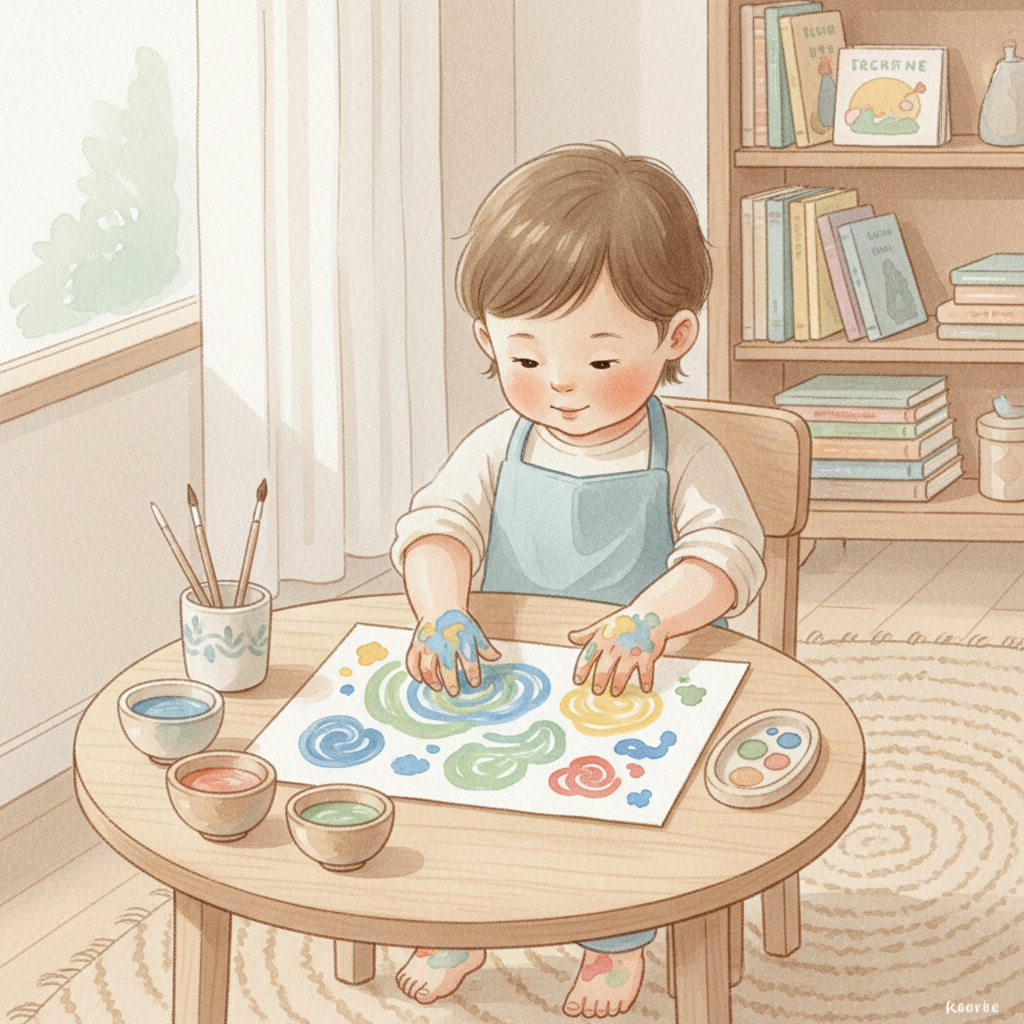
Below you'll find a simple list of essentials to get started. These are the same kinds of supplies you'd find in a Montessori classroom, organized by category to make your shopping easy.
Drawing Supplies
- Crayons: Choose large, easy-to-grip crayons for younger children who are still developing their pencil grasp. The Crayola My First Washable Tripod Grip Crayons are a great choice — they encourage a proper tripod hold and wash off easily.
- Pencils: Large kindergarten-sized pencils are ideal for beginners. They fit small hands comfortably and help children develop control before moving to standard-sized pencils.
- Colored pencils: A set of quality colored pencils gives children another way to express themselves and practice fine motor skills.
- Colored chalk: Wonderful for outdoor art or use with a small chalkboard. Children love the soft, blendable quality of chalk.
- Watercolor felt-tip markers: These are easier to clean up than permanent markers and offer vibrant color for drawing projects.
Painting Supplies
- Watercolor paints: A basic watercolor set is a Montessori staple. Watercolors teach children about color mixing and encourage a gentle, mindful approach to art.
- Tempera paint: Thicker and more opaque than watercolors, tempera is perfect for bolder projects and younger painters.
- Brushes of various shapes and sizes: Offer a few different brushes so your child can experiment. Flat brushes, round brushes, and thick-handled brushes for little hands are all useful.
- Food coloring: A versatile addition — use it for color-mixing experiments, dyeing paper, or adding color to homemade playdough.
Paper & Cutting
- Construction paper: A colorful assortment is a must-have for collage, cutting practice, and all kinds of projects.
- Crepe paper, tissue paper, graph paper, and copier paper: Different textures and weights give children a richer sensory experience and more creative possibilities.
- Butcher paper: The large rolls (shiny on one side) are wonderful for big art projects, tracing, and collaborative work.
- Safety scissors: Look for child-sized scissors with metal blades designed for preschoolers. The Fiskars Pre-School Training Scissors are excellent — they cut well and help little hands learn proper scissor technique, which is an important practical life skill.
A Few Tips
Keep supplies organized and accessible at your child's level — a small shelf or caddy works beautifully. When children can choose their own materials and clean up independently, art becomes part of their daily rhythm rather than a special event. You might also try some of our simple and fun painting ideas to inspire those first sessions.
And don't forget — not everything has to be purchased! Many wonderful art materials can be found around the house or in nature. Be sure to read our companion article on free and recycled art supplies for more ideas.
Related Articles
- Art Supplies — Free — Creative materials you already have at home
- Simple and Fun Painting Ideas — Easy painting activities for young children
- Handwork and Art — More Montessori art and handwork inspiration
- Practical Life — Building independence through everyday skills