Montessori Mom

Weather

Published on: October 04, 2013
Introduction

Few things capture a young child’s attention quite like the weather. The gentle patter of rain on a window, the way sunlight filters through clouds, the thrill of a first snowfall — weather is a living, breathing lesson that surrounds children every single day. In the Montessori approach, we honor children’s natural curiosity by connecting them to the real world through hands-on, sensorial experiences. Weather is one of the most beautiful entry points into the study of science, geography, and even language.

When we invite young children to study the weather, we are really inviting them to slow down, look up, and notice the world with fresh eyes. This daily practice of observation nurtures concentration, builds vocabulary, and fosters a deep sense of wonder about the natural environment. As children grow more comfortable with weather concepts, they will naturally begin to make connections to seasons, the water cycle, and even the diverse biomes found across our planet.

Age

This lesson is ideally suited for children ages 3 to 6, which corresponds to the Montessori primary or Casa dei Bambini level. Children in this sensitive period for sensorial exploration and language development are especially receptive to weather observation activities. With thoughtful extensions, this study can easily grow with your child well into the elementary years.

Materials Needed

  • A child-friendly weather station kit — this weather station kit on Amazon is a wonderful option that children can use independently
  • A large weather chart or calendar for daily tracking — this weather chart and calendar set makes morning weather observation a joyful routine
  • Printed weather symbols and vocabulary cards (visit our weather printouts page for free PDF resources)
  • A nature journal or blank booklet for drawing and recording observations
  • Colored pencils, crayons, or watercolor paints
  • A simple outdoor thermometer mounted at child height

How to Present the Lesson

  1. Invite the child. Ask if they would like to discover what the weather is doing today. You might say, “Let’s step outside together and see what the sky is telling us this morning.”
  2. Observe together outdoors. Walk to a designated outdoor observation spot. If your classroom uses a walking line, incorporate a short mindful walk, encouraging the child to notice sensations. Pause and look upward at the sky.
  3. Introduce vocabulary. Using printed weather symbol cards, introduce key terms: sunny, cloudy, partly cloudy, rainy, windy, snowy, foggy, and stormy. Follow the Montessori three-period lesson.
  4. Record the observation. Guide the child to select the appropriate weather symbol and place it on today’s date on the weather chart. Invite them to draw the sky in their nature journal.
  5. Use weather station instruments. Show the child how to read the outdoor thermometer, check the rain gauge, or observe the wind vane. Allow independent practice over time.
  6. Repeat daily. Weather observation is most powerful as a consistent routine. Over weeks, children begin to see patterns and connect weather changes to the shifting seasons.

Extensions for Older Children

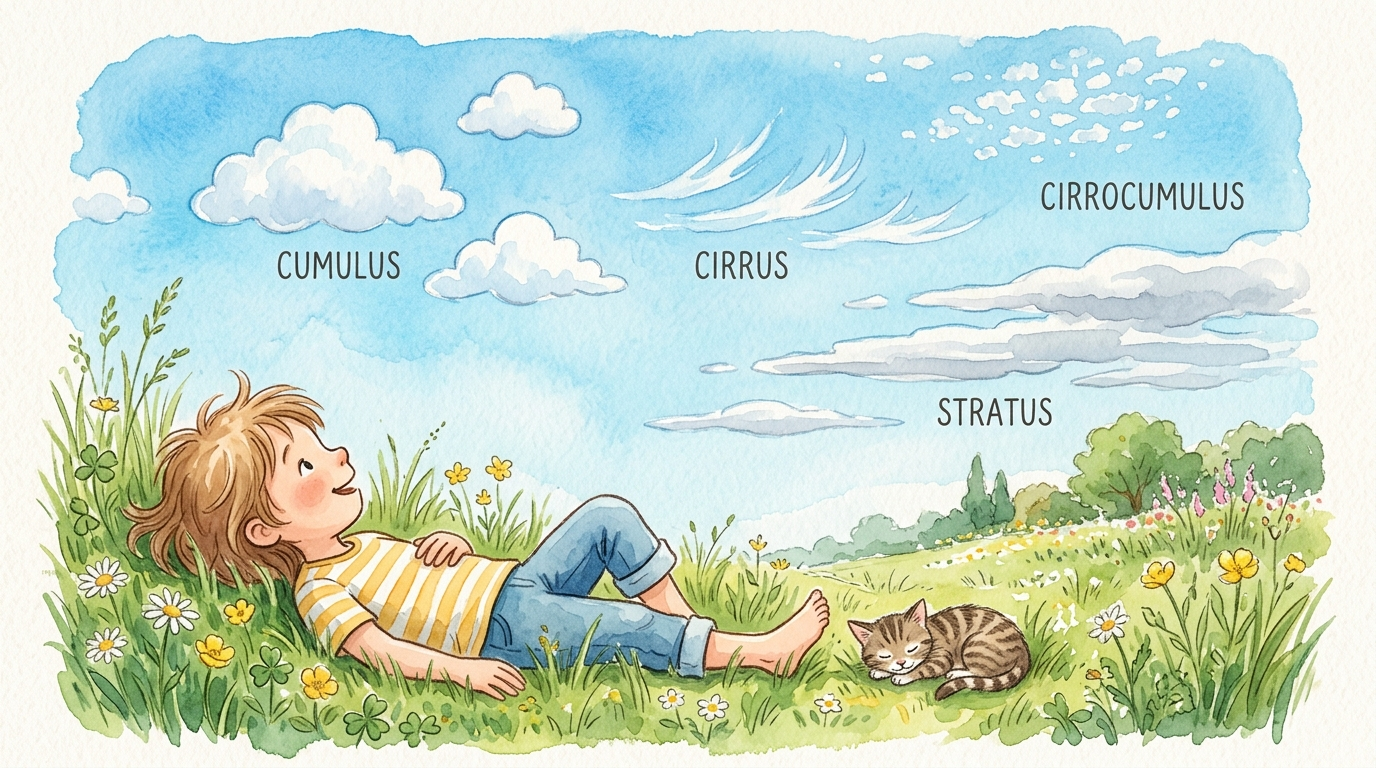
For children ages 6 to 9, weather study opens the door to deeper scientific exploration. Elementary-aged children can study cloud types, learn about the water cycle in detail, and understand how weather patterns differ across various biomes. Encourage keeping a weekly weather log with temperature graphs and precipitation totals.

Older children may also enjoy researching severe weather events and creating presentations. Visit our science printouts page for additional hands-on materials. Building simple weather instruments — such as a homemade barometer or anemometer — provides excellent opportunities for engineering and critical thinking.

Related Lessons

Weather connects beautifully to many other areas of the Montessori curriculum. Explore our seasons resources to help children understand the cyclical nature of the year. Our biomes materials introduce children to the world’s major ecosystems. For printable tools, visit our weather printouts page for free PDF charts, vocabulary cards, and observation logs. Additional activities can be found on our science printouts page.

Back to Home